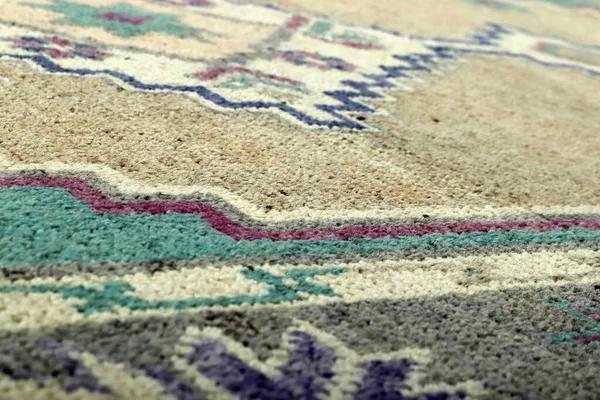
Restoring worn and damaged rugs requires a careful approach to preserve their beauty and extend their lifespan. The process begins with a thorough assessment of the rug’s condition, identifying areas affected by wear, stains, tears, or fading. Understanding the type of rug is essential since materials such as wool, silk, or synthetic fibers respond differently to cleaning and repair techniques. Once the evaluation is complete, the first step in restoration involves deep cleaning to remove dirt and grime that accumulate over time. Professional cleaning methods tailored to the specific fiber help prevent further damage during this stage.
After cleaning, repairing structural damage becomes the focus. Tears and holes should be addressed promptly to avoid worsening deterioration. Small rips can often be stitched using matching thread or yarn similar in color and texture to maintain consistency with the original design. For larger damaged sections where threads are missing entirely, reweaving may be necessary-a meticulous process requiring skilled artisans who replicate patterns by hand to restore both appearance and strength.
Frayed edges also demand attention because they compromise the rug cleaning phoenix‘s stability. Binding or serging these edges reinforces them against future unraveling while preserving aesthetic appeal. In cases where fringe is worn out or missing, replacement fringe can be sewn on carefully so it blends seamlessly with existing elements.
Color restoration plays a vital role when rugs have faded due to sunlight exposure or chemical reactions over time. Specialized dyeing techniques allow for subtle enhancement without altering original hues drastically. This delicate procedure requires expertise in color matching along with knowledge of how dyes interact with various fibers.
For antique rugs especially valued for historical significance and craftsmanship, consulting professionals experienced in textile conservation ensures that restorations do not diminish authenticity or value. They employ non-invasive methods whenever possible and use archival-quality materials compatible with older textiles.
Proper maintenance after restoration prevents recurrence of damage; rotating rugs regularly reduces uneven wear caused by foot traffic while using padding underneath cushions impact on fibers from hard floors. Avoiding direct sunlight minimizes fading risks further extending vibrancy.
In summary, restoring worn and damaged rugs combines careful inspection, specialized cleaning techniques, precise repairs including stitching or reweaving damaged areas, edge reinforcement through binding or fringe replacement, expert color restoration when needed alongside ongoing preventive care practices once restored fully revitalizes these treasured pieces ensuring longevity without sacrificing their unique character or charm for years ahead.
Americas Rug Cleaning
3821 E Broadway Rd #9, Phoenix, AZ 85040
602-858-1800