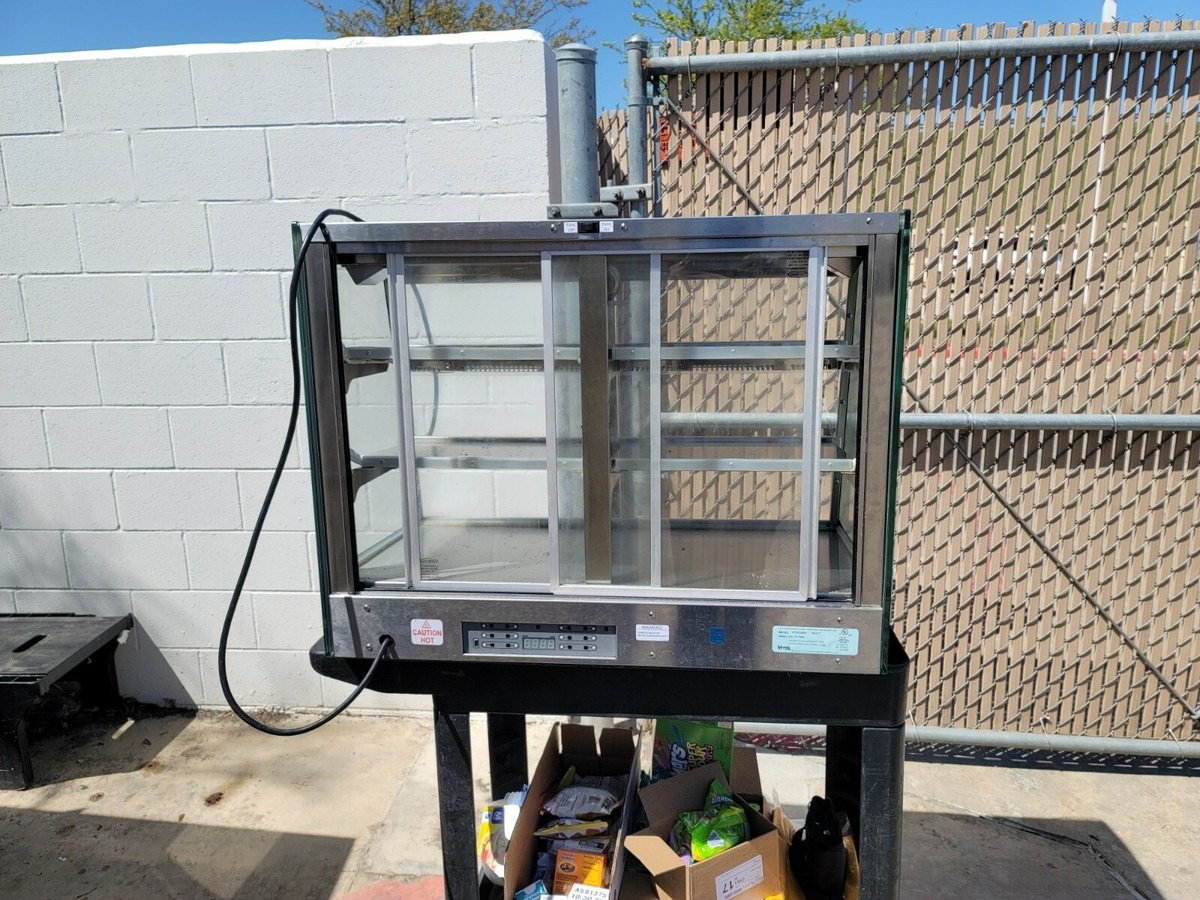
Countertop heated display cases are essential tools for restaurant owners aiming to showcase hot food items while maintaining optimal temperature and freshness. These units provide a practical solution for displaying prepared dishes such as pastries, sandwiches, or fried foods in an appealing manner that attracts customers and encourages impulse purchases. When selecting a countertop heated display case, it is important to consider factors like size, heating method, visibility, and ease of cleaning to ensure the equipment meets the specific needs of your establishment.
The size of the display case should correspond with the volume and variety of items you intend to present. Smaller models are suitable for limited space environments or when showcasing a few specialty items. Larger units offer more capacity but require additional counter space. It is crucial to strike a balance between adequate product visibility and efficient use of your available area without overcrowding the workspace.
Heating methods vary among different models; common options include dry heat using electric elements or moist heat through steam systems. Dry heat is generally easier to maintain and clean but may cause certain foods to dry out if left exposed too long. Steam-heated cases help retain moisture in delicate products like baked goods but can be more complex in terms of maintenance and cost. Understanding how each heating technique affects your menu items will guide you toward making an informed choice that preserves quality while enhancing customer appeal.
Visibility plays a significant role since these cases serve as both storage and marketing displays. Models with clear glass panels on multiple sides allow customers easy viewing from various angles, increasing engagement with displayed food items. Anti-fogging features prevent condensation buildup inside the case, ensuring uninterrupted visibility throughout operating hours.
Ease of cleaning should not be overlooked because hygiene standards must be upheld rigorously in any foodservice environment. Removable trays, accessible interior surfaces, and corrosion-resistant materials simplify routine sanitation tasks necessary for compliance with health regulations.
Energy efficiency also matters; opting for units with adjustable thermostats helps control power consumption by maintaining precise temperatures only when needed rather than continuous operation at maximum heat levels.
Incorporating a Countertop Heated Display Case into your restaurant setup enhances both functionality and presentation by keeping hot foods ready-to-serve while enticing customers visually. Careful evaluation based on size requirements, heating technology preferences, clarity features, cleaning convenience, and energy use ensures you select equipment that complements operational demands effectively without compromising food quality or safety standards over time.