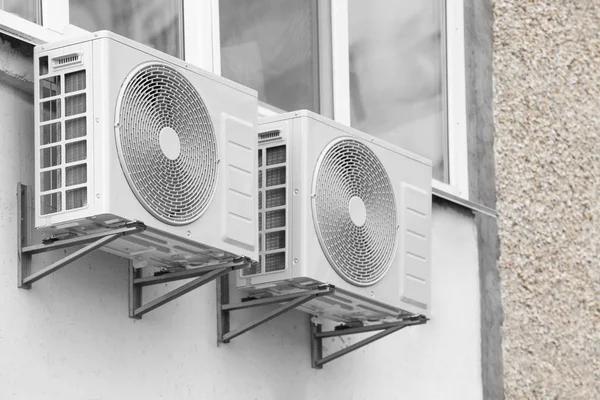
Choosing the right window air conditioner requires careful consideration of several factors to ensure efficient cooling and energy savings. The first step is to accurately measure the space you intend to cool. Window units are rated by their British Thermal Units (BTUs), which indicate their cooling capacity. Selecting a unit with an appropriate BTU rating for your room size prevents underperformance or excessive energy consumption. For example, a small bedroom may only need 5,000 to 6,000 BTUs, while larger living areas might require units with 10,000 BTUs or more.
Beyond size and capacity, it is important to consider the unit’s energy efficiency. Look for models that carry the ENERGY STAR label as they meet strict efficiency guidelines set by regulatory agencies. These units consume less electricity while providing effective cooling, reducing both utility bills and environmental impact. Additionally, examine the Energy Efficiency Ratio (EER) rating; higher EER values indicate better performance relative to power usage.
Installation requirements also play a crucial role in selecting a Window Air Conditioner dimensions carefully because most units have specific size ranges they fit into comfortably. Ensure that your chosen model supports either single-hung or double-hung windows based on what you have at home. Some units come with adjustable side panels that help secure them firmly in place and seal gaps against outside air infiltration.
Noise level is another factor often overlooked but vital for comfort during operation. Check manufacturer specifications or customer reviews regarding decibel ratings if you prefer quieter performance-especially important for bedrooms or workspaces where noise can be distracting.
Modern window air conditioners offer additional features worth considering depending on personal preferences and needs. Programmable timers allow users to set operating periods in advance, conserving energy when cooling isn’t necessary all day long. Remote controls provide convenience for adjusting settings without getting up from your seat. Some models include built-in air purifiers or dehumidifiers that improve indoor air quality alongside temperature control.
Maintenance ease should not be underestimated when choosing a unit since regular cleaning extends its lifespan and efficiency levels over time. Select designs with accessible filters that can be removed easily for washing or replacement without special tools.
In summary, expert advice emphasizes matching the unit’s capacity with room size while prioritizing energy-efficient options certified by recognized standards bodies like ENERGY STAR. Accurate measurements of window dimensions ensure proper installation compatibility along with attention paid to noise levels tailored for intended use environments enhances overall satisfaction with your purchase decision significantly over time as well as cost-effectiveness throughout its operational life cycle.