
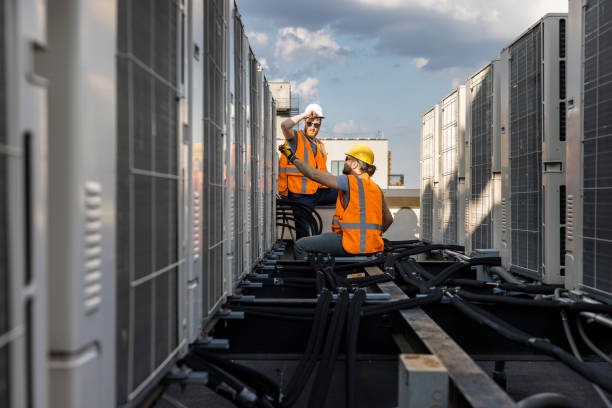
When the performance of your heating and cooling system varies unexpectedly, it can be frustrating and uncomfortable. Professional HVAC technicians understand that inconsistent temperature control often signals underlying issues that require a thorough inspection. These experts look at several key components and factors to diagnose and resolve the problem, ensuring your system operates efficiently and reliably.
One of the first aspects professionals examine is the thermostat. Since this device controls when your system turns on and off, any malfunction or miscalibration can cause irregular heating or cooling. Technicians check the thermostat’s settings, battery life, and calibration to ensure it communicates accurately with the HVAC system. In some cases, an outdated or faulty thermostat may need replacement to stabilize system performance.
Next, the air filters are inspected. Dirty or clogged filters restrict airflow, forcing the system to work harder and causing uneven temperature distribution. Professionals will assess the condition of filters and recommend cleaning or replacement if necessary. Regular maintenance of air filters is crucial for consistent system performance and improved indoor air quality.
The HVAC system’s ductwork is another critical area of focus. Leaks, blockages, or poorly insulated ducts can lead to significant temperature variations throughout the home. Technicians use specialized read full article tools to detect air leaks or obstructions and may seal or repair ducts to restore proper airflow. Proper duct maintenance ensures that conditioned air reaches all rooms uniformly, enhancing overall comfort.
Professionals also evaluate the refrigerant levels in cooling systems. Low refrigerant can impair cooling efficiency and cause inconsistent temperatures. Technicians check for leaks and recharge refrigerant if needed, following environmental regulations. Adequate refrigerant levels are essential for optimal heat exchange and system reliability.
The heating components, such as burners, heat exchangers, and pilot lights, are carefully inspected when heating performance fluctuates. Any signs of wear, corrosion, or malfunction can lead to unsafe operation or reduced heating capacity. HVAC professionals ensure these parts are clean, functioning correctly, and replace any defective components to maintain safe and efficient heating.
Electrical connections and control boards are also scrutinized during an inspection. Loose or damaged wiring can cause intermittent system failures or erratic behavior. A thorough check of the electrical system helps prevent breakdowns and extends the lifespan of your heating and cooling equipment.
Ultimately, when your heating and cooling performance varies, a professional inspection covers all these areas to identify the root cause. By addressing issues such as thermostat problems, dirty filters, duct leaks, refrigerant levels, heating components, and electrical connections, technicians help restore stability and comfort to your indoor environment. Regular maintenance and timely repairs ensure your HVAC system performs consistently, keeping your home comfortable year-round.


